Affichage des articles dont le libellé est mesothelioma Asbestos Exposure. Afficher tous les articles

lundi 1 avril 2013

Mesothelioma Asbestos Cancer

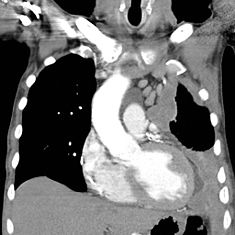
Cancer / asbestos cancer diagram of heart mesothelioma >> health, Human health education is a web about diagram of a human heart-mesothelioma-asbestos cancer-prostate cancer-breast cancer-vascular system,cancer-vascular. Mesothelioma & asbestos cancer attorneys at michigan, < today, it is widely understood that asbestos is an extremely harmful substance. however, this was not always the case.. Cancer, Of the many injuries and perform relevant illnesses, mesothelioma is perhaps the one that draws much attention. every other day a case is revealed or a declare is.
lung Mesothelioma Asbestos Cancer
Mesothelioma, Mesothelioma is a somewhat rare cancer, with only about 2,000 new cases diagnosed in the united states each year — but its incidence is increasing worldwide.. Article-categories, Acquired immune deficiency syndrome (aids) is a illness of the immune process caused by infection with the human immunodeficiency virus (hiv). hiv is transmitted from. All kinds of diseases, Cancer begins in your cells, which are the building blocks of your body. normally, your body forms new cells as you need them, replacing old cells that die..


Laboratory medicine, Laboratory medicine clinical laboratory science collection & disciplines as resource to healthcare professionals, students and other interested individuals..

Pleural mesothelioma is caused by inhaled asbestos fibers which lodge pleural mesothelioma Mesothelioma Asbestos Cancer
Mesothelioma namely malignant mesothelioma is a rare form of cancer lung Mesothelioma Asbestos Cancer
2008 Early Info About Mesothelioma Asbestosis Lung Cancer asbestos removal Mesothelioma Asbestos Cancer
Lung cancer from asbestos exposure can be separated into 3 primary breast cancer Mesothelioma Asbestos Cancer
The majority of breast cancer patients have vitamin D levels are low asbestos cancer mesothelioma cell 1 1 Mesothelioma Asbestos Cancer
Mesothelioma is a malignant growth of cells in the mesothelium a thin 
 
from : http://affiliate-mistakes.com/2013/02/20/mesothelioma-asbestos-cancer-2/

Asbestos Exposure


1. What is asbestos?
“Asbestos” is the name given to a group of minerals that occur naturally as bundles of fibers which can be separated into thin threads. These fibers are not affected by heat or chemicals and do not conduct electricity. For these reasons, asbestos has been widely used in many industries. Four types of asbestos have been used commercially:
* Chrysotile, or white asbestos;
* Crocidolite, or blue asbestos;
* Amosite, which usually has brown fibers; and
* Anthophyllite, which usually has gray fibers.
Chrysotile asbestos, with its curly fibers, is in the serpentine family of minerals. The other types of asbestos, which all have rod-like fibers, are known as amphiboles.
Asbestos fiber masses tend to break easily into a dust composed of tiny particles that can float in the air and stick to clothes. The fibers may be easily inhaled or swallowed and can cause serious health problems.
2. How is asbestos used?
Asbestos was mined and used commercially in North America beginning in the late 1800s. Its use increased greatly during World War II. Since then, it has been used in many industries. For example, the building and construction industry has used it for strengthening cement and plastics as well as for insulation, fireproofing, and sound absorption. The shipbuilding industry has used asbestos to insulate boilers, steampipes, and hot water pipes. The automotive industry uses asbestos in vehicle brakeshoes and clutch pads. More than 5,000 products contain or have contained asbestos. Some of them are listed below:


* Asbestos cement sheet and pipe products used for water supply and sewage piping, roofing and siding, casings for electrical wires, fire protection material, electrical switchboards and components, and residential and industrial building materials;
* Friction products, such as clutch facings, brake linings for automobiles, gaskets, and industrial friction materials;
* Products containing asbestos paper, such as table pads and heat-protective mats, heat and electrical wire insulation, industrial filters for beverages, and underlying material for sheet flooring;
* Asbestos textile products, such as packing components, roofing materials, and heat- and fire-resistant fabrics (including blankets and curtains); and
* Other products, including ceiling and floor tile; gaskets and packings; paints, coatings, and adhesives; caulking and patching tape; artificial ashes and embers for use in gas-fired fireplaces; plastics; vermiculite-containing consumer garden products; and some talc-containing crayons.
In the late 1970s, the U.S. Consumer Product Safety Commission (CPSC) banned the use of asbestos in wallboard patching compounds and gas fireplaces because the asbestos fibers in these products could be released into the environment during use. Additionally, asbestos was voluntarily withdrawn by manufacturers of electric hair dryers. In 1989, the U.S. Environmental Protection Agency (EPA) banned all new uses of asbestos; uses established prior to 1989 are still allowed. The EPA has established regulations that require school systems to inspect for damaged asbestos and to eliminate or reduce the exposure to occupants by removing the asbestos or encasing it. In June 2000, the CPSC concluded that the risk of children’s exposure to asbestos fibers in crayons was extremely low. However, the U.S. manufacturers of these crayons agreed to reformulate their products within a year. In August 2000, the EPA recommended that consumers reduce possible asbestos exposure from vermiculite-containing garden products by limiting the amount of dust produced during use. The EPA suggested that consumers use vermiculite outdoors or in a well-ventilated area; keep vermiculite damp while using it; avoid bringing dust from vermiculite use into the home on clothing; and use premixed potting soil, which is less likely to generate dust.
The regulations described above and other actions, coupled with widespread public concern about the hazards of asbestos, have resulted in a significant annual decline in U.S. use of asbestos: Domestic consumption of asbestos amounted to about 719,000 metric tons in 1973, but it had dropped to about 9,000 metric tons by 2002. Asbestos is currently used most frequently in gaskets and in roofing and friction products.
3. What are the health hazards of exposure to asbestos?
Exposure to asbestos may increase the risk of several serious diseases:
* Asbestosis; a chronic lung ailment that can produce shortness of breath, coughing, and permanent lung damage;
* Lung cancer;
* Mesothelioma; a relatively rare cancer of the thin membranes that line the chest and abdomen; and
* Other cancers, such as those of the larynx, oropharynx, gastrointestinal tract, and kidney.
4. Who is at risk?
Nearly everyone is exposed to asbestos at some time during their life. However, most people do not become ill from their exposure. People who become ill from asbestos are usually those who are exposed to it on a regular basis, most often in a job where they work directly with the material or through substantial environmental contact.
Since the early 1940s, millions of American workers have been exposed to asbestos. Health hazards from asbestos fibers have been recognized in workers exposed in shipbuilding trades, asbestos mining and milling, manufacturing of asbestos textiles and other asbestos products, insulation work in the construction and building trades, brake repair, and a variety of other trades. Demolition workers, drywall removers, and firefighters also may be exposed to asbestos fibers. As a result of Government regulations and improved work practices, today’s workers (those without previous exposure) are likely to face smaller risks than did those exposed in the past.
Although it is known that the risk to workers increases with heavier exposure and longer exposure time, investigators have found asbestos-related diseases in individuals with only brief exposures. Generally, those who develop asbestos-related diseases show no signs of illness for a long time after their first exposure. It can take from 10 to 40 years for symptoms of an asbestos-related condition to appear.
There is some evidence that family members of workers heavily exposed to asbestos face an increased risk of developing mesothelioma. This risk is thought to result from exposure to asbestos fibers brought into the home on the shoes, clothing, skin, and hair of workers. This type of exposure is called paraoccupational exposure. To decrease these exposures, people exposed to asbestos at work are required to shower and change their clothing before leaving the workplace.
5. How great is the risk?
Not all workers exposed to asbestos will develop diseases related to their exposure. The risk of developing asbestos-related diseases varies with the type of industry in which the exposure occurred and with the extent of the exposure. Asbestos that is bonded into finished products such as walls and tiles poses no risk to health as long as it is not damaged or disturbed (for example, by sawing or drilling) in such a way as to release fibers into the air. When asbestos fibers are set free and inhaled, however, exposed individuals are at risk of developing an asbestos-related disease.
In addition, different types of asbestos fibers may be associated with different health risks. For example, results of several studies suggest that amphibole forms of asbestos may be more harmful than chrysotile, particularly for mesothelioma. Even so, no fiber type can be considered harmless, and people working with asbestos should always take proper safety precautions to limit exposure.
6. How does smoking affect risk?
Many studies have shown that the combination of smoking and asbestos exposure is particularly hazardous. Smokers who are also exposed to asbestos have a greatly increased risk of lung cancer. However, smoking combined with asbestos exposure does not appear to increase the risk of mesothelioma.
There is evidence that quitting smoking will reduce the risk of lung cancer among asbestos-exposed workers. People who were exposed to asbestos on the job at any time during their life or who suspect they may have been exposed should not smoke. If they smoke, they should stop.
7. Who needs to be examined?
Individuals who have been exposed (or suspect they have been exposed) to asbestos fibers on the job or at home via a family contact should inform their physician of their exposure history and any symptoms. Asbestos fibers can be measured in urine, feces, mucus, or material rinsed out of the lungs. A thorough physical examination, including a chest x-ray and lung function tests, may be recommended. It is important to note that chest x-rays cannot detect asbestos fibers in the lungs, but they can help identify any lung changes resulting from asbestos exposure. Interpretation of the chest x-ray may require the help of a specialist who is experienced in reading x-rays for asbestos-related diseases. Other tests also may be necessary.
As noted earlier, the symptoms of asbestos-related diseases may not become apparent for many decades after exposure. If any of the following symptoms develop, a physical examination should be scheduled without delay:
* Shortness of breath;
* A cough or a change in cough pattern;
* Blood in the sputum (fluid) coughed up from the lungs;
* Pain in the chest or abdomen;
* Difficulty in swallowing or prolonged hoarseness; and/or
* Significant weight loss.

mardi 12 mars 2013

Mesothelioma and Asbestos


While a rare disorder in the general population, mesothelioma is not rare among individuals exposed to asbestos. There are two to three thousand new diagnoses of the cancer every year.

Exposure to asbestos is the only confirmed cause of mesothelioma, and most people diagnosed with the disease were exposed to asbestos in the workplace and were never told of its dangers or given proper protective gear. Others were exposed through family members who brought asbestos home on their clothes or through home renovation projects. Unlike many other predominantly pulmonary-related cancers, cigarette smoking has no known causative effect on its incidence, although asbestos workers who smoke do have a much greater likelihood to develop lung cancer, even more so than regular smokers who don’t work with asbestos.

One of the most difficult aspects of the disease to come to terms with is its long latency period, which is the period of time between first exposure to asbestos and the onset of the disease. Mesothelioma can develop anywhere between 10 to 70 years after the initial exposure.

Mesothelioma of the Peritoneum


The peritoneum is a membranous layer that is made up of two sub-layers called the parietal and visceral layers. The parietal layer covers the abdominal cavity, while the visceral layer surrounds abdominal organs. Together these two layers provide support and protection for abdominal organs and the abdominal cavity as a whole.

There are two main theories regarding how asbestos exposure leads to the development of peritoneal mesothelioma:

Asbestos fibers are ingested, and these fibers work their way from digestive organs into the peritoneal membrane.
Asbestos fibers are inhaled, and travel to the peritoneal membrane via the lymphatic system.


Regardless of how asbestos fibers actually enter the peritoneal layers, once they do enter the membrane, the body experiences difficulty in expelling them. The fibers become trapped in the peritoneal membrane, and over a period of two or more decades, cause certain changes in the mesothelial cells of the peritoneum.

The exact way in which asbestos fibers cause changes in these mesothelial cells is uncertain. However, some researchers believe asbestos fibers cause long-term inflammation and irritation that eventually causes mesothelial cells to become cancerous. Cancerous mesothelial cells divide and grow without restraint, and this uncontrolled cell growth causes thickening of the peritoneum, and the build-up of fluid in the peritoneal layers.

Pleural Mesothelioma


-->


Pleural mesothelioma is a rare cancer often diagnosed in people who have been exposed to high levels of asbestos. The malignancy affects the pleura, a thin membrane of lubricating cells that lines the lungs and chest wall. It sometimes takes 10 years or more for changes to appear that are indicative of pleural disease, and even long for symptoms to manifest. These differences can include a thickening or calcification of the pleural lining, a condition commonly diagnosed as pleural plaques. Conditions like pleural calcification or the development of pleural plaques often serve as pre-cursor to mesothelioma.
Pleural MesotheliomaGet This Image For Your Site

In most instances, pleural disease is not considered fatal but it can cause diminished lung function and may confirm that a person has sustained significant asbestos exposure. Those diagnosed with pleural conditions are generally considered to be at a higher risk for developing the more severe pleural mesothelioma.

Pleural mesothelioma originates in the pleura but can quickly spread to the outer chest wall, abdomen, and heart. Pleural mesothelioma is typically fatal within 1 year of diagnosis. However, understanding and recognizing key risk factors, like asbestos exposure, will typically lead to early detection of the cancer. Those who are fortunate to receive an early diagnosis are likely to be more eligible for life-sustaining treatments such as surgical resection of the cancer. This type of treatment can extend a patient’s life years beyond that of a typical mesothelioma patient.

While there is no cure for pleural mesothelioma, treatment options do exist for the cancer. There are ways for patients to manage the disease through tumor management including traditional radiation and chemotherapy methods, which can ease symptoms of the disease and make a patient more comfortable. In patients where a diagnosis is made of early stage disease, mesothelioma surgery can extend the survival rate far beyond previous levels in untreated disease.

Mesothelioma Symptoms

When cancer begins in the membrane that surrounds the lungs, mesothelioma symptoms may include shortness of breath and pain in the chest or under the ribcage. If the cancer starts in the mesothelial tissue covering the organs in the abdominal cavity, symptoms such as weight loss and abdominal pain may develop. Sometimes, signs and symptoms will not appear until 30 to 50 years after initial exposure to asbestos.


Mesothelioma is a benign (noncancerous) or malignant (cancerous) tumor that begins within the mesothelium, a protective lining surrounding most of the organs in the body. Most mesotheliomas begin within the pleura (the membrane that surrounds the lungs and lines the wall of the chest cavity) or the peritoneum (the mesothelial tissue that covers most of the organs in the abdominal cavity). Mesothelioma symptoms will vary, depending on where the tumor is located.


Pleural Symptoms of Mesothelioma


Pleural mesothelioma symptoms are usually due to an accumulation of fluid in the pleura. These symptoms often include:


  • Shortness of breath
  • Pain in the chest or under the ribcage.


Peritoneal Mesothelioma Symptoms


Peritoneal symptoms of mesothelioma may include:


  • Weight loss
  • Lumps in the abdomen
  • Abdominal (stomach) pain
  • Abdominal swelling due to a buildup of fluid in the abdomen (stomach).

Other symptoms may also include:


  • Bowel obstruction
  • Blood-clotting abnormalities
  • Anemia
  • Fever.


Metastatic Mesothelioma Symptoms


If the cancer has spread beyond the mesothelium to other parts of the body, symptoms may include:


  • Pain
  • Trouble swallowing
  • Swelling of the neck or face.

Asbestos Exposure and Symptoms of Mesothelioma


Up to 90 percent of malignant mesothelioma cases are related to asbestos exposure. The risk for developing mesothelioma in those with heavy asbestos exposure is 7 to 10 percent. However, symptoms may not appear until 30 to 50 years after exposure to asbestos.


Mesothelioma Symptoms: Final Thoughts


The possible symptoms of mesothelioma described in this article are not sure signs of the disease. Other more common, less serious conditions can cause similar symptoms. If you are experiencing any possible mesothelioma symptoms, visit your healthcare provider so that the problem can be diagnosed and treated.
Source : http://mesothelioma.emedtv.com/mesothelioma/mesothelioma-symptoms.html

Mesothelioma

Mesothelioma is a rare form of cancer affecting the mesothelium, which is a membrane that covers and protects most of the internal organs of the body. In most cases, it begins in the pleura (the lining around the lungs) or peritoneum (the lining around the abdomen). The cancer is typically caused by asbestos exposure. A history of asbestos exposure at work is reported in about 70 to 80 percent of all cases of the disease. Standard treatment options include surgery, chemotherapy, and radiation therapy.


What Is Mesothelioma?

Mesothelioma is a benign (noncancerous) or malignant (cancerous) tumor affecting the mesothelium, which is a membrane that covers most of the body's internal organs. Most cases of mesothelioma begin in the pleura (lining around the lungs) or peritoneum (the lining around the abdomen).
Benign mesothelioma can also be called a fibroma, and cancerous mesothelioma is also known as malignant mesothelioma. A mesothelioma can further be named based on where it occurs. For example, malignant pleural mesothelioma is cancer that begins in the lining around the lungs.
Most people who develop malignant mesothelioma have worked on jobs where they inhaled asbestos particles. A benign mesothelioma does not appear to have any relationship to asbestos exposure.

Understanding the Mesothelium
The mesothelium is a membrane that covers and protects most of the internal organs of the body. It is composed of two layers of cells: one layer immediately surrounds the organ; the other forms a sac around it. The mesothelium produces a lubricating fluid that is released between these layers, allowing moving organs (such as the beating heart and the expanding and contracting lungs) to glide easily against adjacent structures.
The mesothelium has different names, depending on its location in the body. The peritoneum is the mesothelial tissue that covers most of the organs in the abdominal cavity. The pleura is the membrane that surrounds the lungs and lines the wall of the chest cavity, while the pericardium covers and protects the heart. The mesothelial tissue surrounding the male internal reproductive organs is called the tunica vaginalis testis, and the tunica serosa uteri covers the internal reproductive organs in women.


Risk Factors for Mesothelioma

Working with asbestos is the major risk factor for mesothelioma. A history of asbestos exposure at work is reported in about 70 to 80 percent of all cases. However, mesothelioma has been reported in some individuals without any known exposure to asbestos.
There is some evidence that family members and others living with asbestos workers have an increased risk of developing mesothelioma, and possibly other asbestos-related diseases. This risk may be the result of exposure to asbestos dust brought home on the clothing and hair of asbestos workers. To reduce the chance of exposing family members to asbestos fibers, asbestos workers are usually required to shower and change their clothing before leaving the workplace.
Smoking does not appear to increase the risk of mesothelioma. However, the combination of smoking and asbestos exposure significantly increases a person's risk of developing lung cancer (see Causes of Lung Cancer).

Mesothelioma and Asbestos

Asbestos is the name of a group of minerals that occur naturally as masses of strong, flexible fibers that can be separated into thin threads and woven. Asbestos has been mined and used commercially since the late 1800s; its use greatly increased during World War II. Asbestos has been widely used in many industrial products, including cement, brake linings, roof shingles, flooring products, textiles, and insulation. Since the early 1940s, millions of American workers have been exposed to asbestos dust.
If tiny asbestos particles float in the air, especially during the manufacturing process, they may be inhaled or swallowed and can cause serious health problems. In addition to mesothelioma, exposure to asbestos increases the risk of lung cancer, asbestosis (a noncancerous, chronic lung ailment), and other cancers, such as those of the larynx and kidney.
Initially, the risks associated with asbestos exposure were unknown. However, an increased risk of developing mesothelioma was later found among:
  • Shipyard workers
  • People who work in asbestos mines and mills
  • Producers of asbestos products
  • Workers in the heating and construction industries
  • Other tradespeople.
Today, the US Occupational Safety and Health Administration (OSHA) sets limits for acceptable levels of asbestos exposure in the workplace. People who work with asbestos wear personal protective equipment to lower their risk of exposure.
The risk of asbestos-related disease increases with heavier exposure to asbestos and longer exposure time. However, some individuals with only brief exposures have developed mesothelioma. On the other hand, not all workers who are heavily exposed develop asbestos-related diseases.

Symptoms and Diagnosis

For more about mesothelioma symptoms, click on the full eMedTV article about Mesothelioma Symptoms.
To find out more about making a mesothelioma diagnosis, click on the full eMedTV article about Mesothelioma Diagnosis.

How Is It Treated?

Treatment for mesothelioma depends on:
  • The location of the cancer
  • The stage of the disease
  • The patient's age and general health.
Standard mesothelioma treatment options include:
  • Surgery
  • Radiation therapy
  • Chemotherapy.
Sometimes, all three treatment methods are combined.

Statistics on Mesothelioma

Although reported incidence rates have increased in the past 20 years, mesothelioma is still a relatively rare cancer. About 2,000 new cases of mesothelioma are diagnosed in the United States each year. Mesothelioma occurs more often in men than in women and risk increases with age, but mesothelioma can appear in either men or women at any age.
 Source : http://mesothelioma.emedtv.com/mesothelioma/mesothelioma.html